
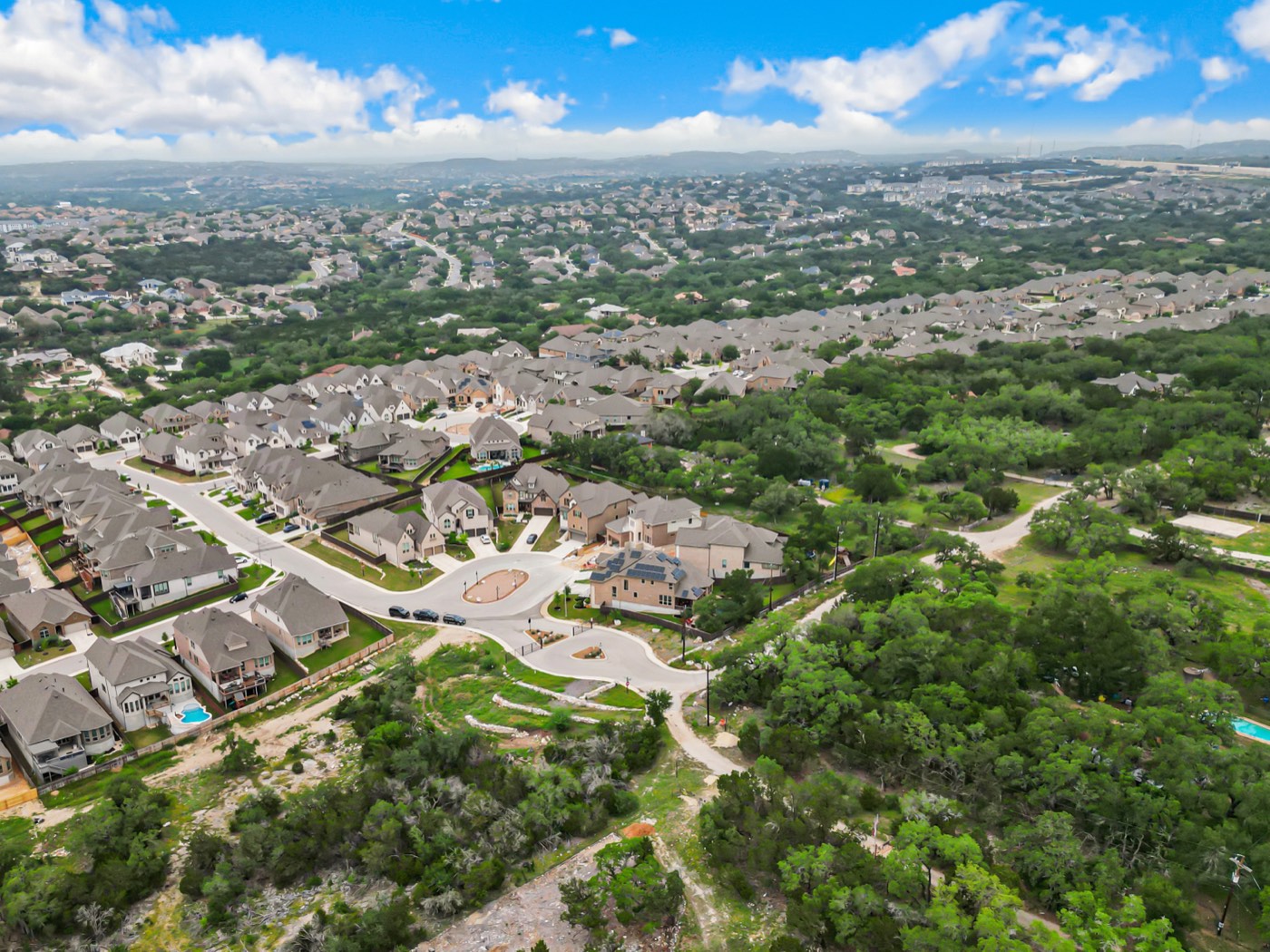
"How's the market?" is the question I get more than any other, at open houses, at the grocery store, at my booth last weekend. The honest answer up here is calmer than the headlines make it sound. We are not in the 2021 frenzy, and we are not in a crash. We are somewhere much more normal, and once you understand the shape of it you can actually use it. Here's my read on the communities north of Houston right now.
More homes to choose from
The biggest change is inventory. There are meaningfully more homes on the market than a year ago, and that one fact changes the whole experience. For a while there was almost nothing to see and everything sold in a weekend. That pressure has eased. Buyers have real choices again, and with choices comes room to breathe, compare and negotiate. This is the single most important thing to understand about right now.
Homes take longer to sell
Because there's more to choose from, homes sit a little longer than they used to. The days of listing on Friday and sorting through ten offers on Sunday are mostly behind us, for now anyway. That's not a bad market, it's a normal one. What it means is that price and presentation carry the day again. A sharp, well-marketed, correctly priced home can still move quickly. An overpriced one is more likely to wait, and then chase the market down with price cuts. The gap between those two outcomes is wider than it's been in years.
Rates settled down, they didn't spike
Mortgage rates have been the boogeyman in every conversation, but the reality lately is boring in a good way. They've settled into the mid-6s and held there, roughly where they were a year ago. Boring is useful. When rates are steady, you can actually plan because the number you get quoted this month is likely close to the number you get quoted next month. Stop waiting for a dramatic drop to rescue your decision. Buy the home and the payment that makes sense at today's rate, and refinance later if rates fall. Marry the house, date the rate.
Demand didn't go anywhere
Here's the part the crash crowd misses. People keep moving up here. The jobs, the growth, the new rooftops going up across Montgomery County are all still happening, and that underlying demand is why this reads as a normalization and not a collapse. More inventory plus steady demand equals a market that's finally fair to both sides, which honestly is a healthier place to buy or sell than the madness of a few years ago.
What it means if you're buying
You have leverage you didn't have in 2021. You can take a beat, see a few homes, sleep on it and write an offer that asks for something, whether that's a repair, a closing-cost credit or a rate buydown from the seller or builder. New construction, especially, is dealing right now. Just don't confuse leverage with waiting for a bottom. Trying to time the exact low is how people miss the home while they watch the chart.
What it means if you're selling
Two things win right now, and they're the two things I harp on. Price it correctly from day one, because the market will not forgive a hopeful number the way it did when buyers were desperate. And market it like it matters, with real photography, real reach and a plan, because your home is now competing against more of its neighbors for a buyer's attention. Do those two things and you still sell well. Skip them and you become the listing that teaches everyone else what not to do.
The honest read
Averages lie. A county number or a national headline tells you almost nothing about your street, your price point or your specific community, and the corridor isn't one market, it's fifteen little ones that all behave differently. Montgomery is not The Woodlands is not Magnolia. So if you want to know what the market is actually doing for your situation, send me your address or the area you're considering and I'll pull the live numbers the day you ask, no spin and no pressure. That's the only version of "how's the market" that can actually help you decide.
