
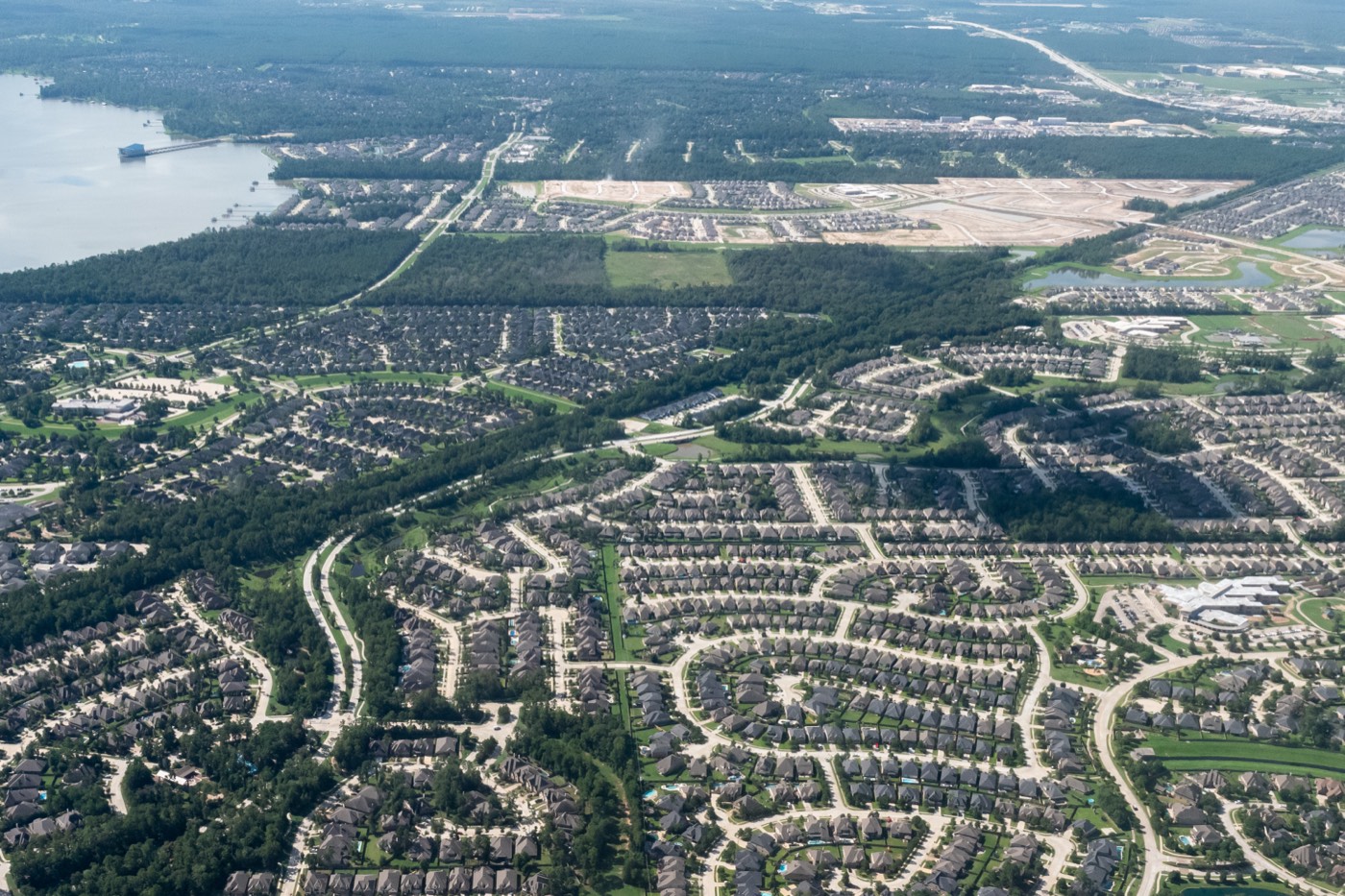
Whether you're trading Houston's traffic and crowds for a little more room, or moving in from out of state entirely, the hardest part of landing north of Houston usually isn't finding a house. It's figuring out where. Because "north of Houston" isn't a single place. It's a whole collection of communities that look close together on a map and feel nothing alike in person, and picking the wrong one is a much more expensive mistake than picking the wrong paint color.
I came back to Montgomery County myself after some years away, so I know these communities from the inside and not just the listing sheet. And I spend a lot of my time helping people understand the differences before they fall for an address that doesn't actually fit their life. That's true whether you're coming from inside the loop or from three states over.
One direction, over a dozen different lives
Here's the range you're choosing from. Out on Lake Conroe you've got a waterfront, resort kind of life. In master-planned communities like The Woodlands, Bridgeland out in Cypress and Woodforest, you get amenities, trails and a lot of house for the money. Small-town Texas is right there too, in Conroe, Montgomery, Magnolia and Tomball, if you want a slower pace and a real main street. Established and growing suburbs like Spring, Klein, Kingwood, Atascocita and New Caney give you settled or fast-filling neighborhoods and a straighter shot back toward the city. And if it's more land and more quiet you're after, you can push further out toward Hockley and Waller where the lots stretch out.
Same general direction from downtown. Completely different day-to-day life. That's why I never start with the house.
What to weigh when you don't know the area yet
When you're moving somewhere new, you can't lean on a gut feel for neighborhoods you've never lived near. So weigh the things that are hard to undo. What your real commute is going to be, on a bad day and not a good one. What pace you actually want, busy and amenity-rich or quiet and spread out. And schools, since which school district a home falls in can change from one community to the next, so always confirm the district by the specific address rather than the mailing city.
Get those right and the house part gets easy. Get them wrong and no amount of square footage fixes it.
Seeing it clearly before you commit
Some of my buyers are coming up from inside the loop and can drive out on a Saturday to walk a place in person. Others are still out of state, buying a home they've only seen on video. Either way, I can be your eyes on the ground, walk a home for you live on a call and show you the things listing photos hide. And Texas gives you a built-in safety net: the option period, a short window after your offer where you pay a small fee for the right to inspect the home and walk away if it's not what you thought. So you're never locked in on faith alone.
Room to grow
Most people I work with are making this move for the same reason. They want a little more room and a little slower pace than city life gives them. That's the whole idea up here. Texas roots, room to grow. My job is to help you find the version of that which fits your life, your budget and your commute, instead of guessing from listing photos and a map you don't know yet.
If you're not sure where you land yet, that's exactly the conversation I'm best at. Reach out and we'll figure out your fit first, before you burn a month of weekends touring the wrong towns or book a flight to see the wrong one.
